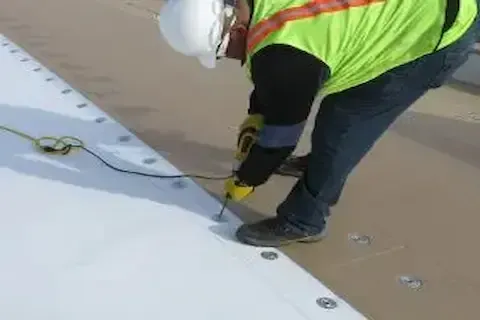
TPO Membrane Thickness Specs for Woodbury MN Roofs
TPO membrane thickness specifications directly impact your Woodbury commercial roof's performance, warranty coverage, and long-term durability. Property managers and building owners face three standard thickness options: 45 mil, 60 mil, and 80 mil, each engineered for specific applications and environmental demands in Minnesota's challenging climate.
Standard TPO Membrane Thickness Options
Commercial TPO membranes come in three industry-standard thicknesses, measured in mils (thousandths of an inch). The 45 mil membrane represents the entry-level option, suitable for basic low-slope applications with minimal foot traffic. This thickness provides adequate protection for storage facilities, warehouses, and similar structures where roof access remains limited.
The 60 mil specification serves as the most common choice for commercial applications in Woodbury. This mid-range thickness balances cost considerations with enhanced durability, making it appropriate for retail buildings, office complexes, and light industrial facilities. The additional thickness provides improved puncture resistance compared to 45 mil options.
For high-performance applications, 80 mil TPO membranes deliver maximum protection against mechanical damage, extreme weather conditions, and frequent foot traffic. These heavy-duty membranes suit hospitals, schools, manufacturing facilities, and buildings requiring regular rooftop maintenance access.
Hail Impact Resistance Ratings
Minnesota's severe weather patterns make hail resistance a critical specification factor. Thicker TPO membranes demonstrate superior impact resistance during hailstorms, which frequently affect the Woodbury area during spring and summer months. The 45 mil membranes typically achieve Class 3 impact resistance ratings, while 60 mil and 80 mil options often qualify for Class 4 ratings.
Class 4 impact resistance represents the highest industry standard, indicating the membrane withstood testing with 2-inch diameter steel balls dropped from 20 feet. This rating significantly influences insurance premiums, with many carriers offering discounts for Class 4-rated roofing systems. TPO Roofing Systems installations with proper impact ratings help property owners manage insurance costs while protecting against costly hail damage repairs.
Foot Traffic and Mechanical Damage Considerations
Membrane thickness directly correlates with puncture resistance and foot traffic durability. Buildings requiring regular HVAC maintenance, antenna installations, or rooftop equipment access benefit from thicker membrane specifications. The 45 mil options work adequately for roofs with minimal access needs, but facilities with frequent maintenance activities should specify 60 mil or 80 mil membranes.
Mechanical damage from dropped tools, equipment movement, and installation activities represents a common cause of premature membrane failure. Thicker membranes provide additional protection against these risks, potentially extending roof service life and reducing emergency repair costs. Property managers must evaluate anticipated roof traffic patterns when selecting appropriate thickness specifications.
Warranty Coverage Implications
Manufacturer warranty terms often vary based on membrane thickness selections. Many TPO manufacturers offer enhanced warranty coverage for thicker membrane installations, recognizing their improved durability characteristics. Standard 45 mil installations typically receive 15 to 20-year material warranties, while 60 mil and 80 mil specifications may qualify for extended coverage periods.
Labor warranty coverage from certified contractors also reflects membrane thickness choices. Contractors often provide longer labor warranties for thicker membrane installations, understanding their reduced failure risk compared to thinner alternatives. These warranty considerations impact total cost of ownership calculations for commercial property investments.
Climate-Specific Performance Factors
Woodbury's continental climate subjects commercial roofs to extreme temperature variations, from sub-zero winter conditions to summer heat exceeding 90 degrees Fahrenheit. Membrane thickness influences thermal cycling performance, with thicker options demonstrating improved dimensional stability during seasonal temperature swings.
Wind uplift resistance also correlates with membrane thickness, particularly important given Minnesota's severe thunderstorm activity. Thicker membranes provide enhanced resistance to wind-driven uplift forces, reducing the risk of membrane separation from substrate materials during severe weather events.
Installation Method Compatibility
TPO membrane thickness affects compatible installation methods and fastening requirements. Mechanical attachment systems work effectively with all three thickness options, but fastener spacing and penetration requirements may vary. Fully adhered installations benefit from thicker membranes' improved handling characteristics during application.
Ballasted systems require specific thickness specifications to prevent membrane damage from ballast stone movement. The 60 mil minimum thickness typically applies to ballasted installations, with 80 mil preferred for areas experiencing high wind exposure or frequent thermal cycling.
Cost-Benefit Analysis for Thickness Selection
Initial material costs increase proportionally with membrane thickness, but long-term value considerations often favor thicker specifications. The price differential between 45 mil and 60 mil membranes typically represents 15 to 20 percent of material costs, while 80 mil options command 30 to 40 percent premiums over baseline thickness.
However, thicker membranes often deliver superior return on investment through extended service life, reduced maintenance requirements, and enhanced warranty coverage. Woodbury TPO roofing systems installed with appropriate thickness specifications help property owners minimize lifecycle costs while maximizing roof performance.
Professional Specification Guidance
Qualified roofing contractors evaluate multiple factors when recommending TPO membrane thickness for specific applications. Building use patterns, anticipated roof traffic, local weather exposure, and budget constraints all influence thickness selection decisions. Professional assessment ensures membrane specifications align with performance requirements and cost objectives.
Working with experienced contractors familiar with Woodbury's climate conditions and building codes helps property owners select optimal membrane thickness for their specific applications. Proper specification and installation practices maximize membrane performance while protecting long-term property investments.
