TPO Roofing Systems for Woodbury MN Commercial Buildings
TPO roofing systems represent a sophisticated membrane technology engineered specifically for commercial flat roof applications in Woodbury, Minnesota's challenging climate. These thermoplastic polyolefin membranes deliver exceptional performance through heat-welded seam construction, reflective white surfaces that reduce cooling costs, and mechanical fastening systems that withstand Minnesota's freeze-thaw cycles and severe weather events.
TPO Membrane Composition and Performance Characteristics
TPO roofing membranes consist of thermoplastic polyolefin compounds reinforced with polyester or fiberglass scrim layers. This construction creates a flexible yet durable membrane that maintains elasticity across temperature extremes common in Woodbury's continental climate. The white reflective surface typically reflects 78-87% of solar radiation, significantly reducing heat absorption compared to traditional dark roofing materials.
The membrane's chemical resistance properties protect against oils, greases, and industrial pollutants that commonly affect commercial buildings in Woodbury's mixed industrial and office park environments. TPO's inherent flexibility accommodates building movement and thermal expansion without cracking or splitting, while the reinforced scrim provides dimensional stability and puncture resistance essential for commercial applications.
Heat-welded seams create monolithic waterproof barriers stronger than the base membrane itself. This welding process uses hot air to fuse overlapping membrane edges, creating permanent bonds that eliminate mechanical fasteners at seam locations and reduce potential leak points across the entire roof system.
Installation Methods and Mechanical Attachment Systems
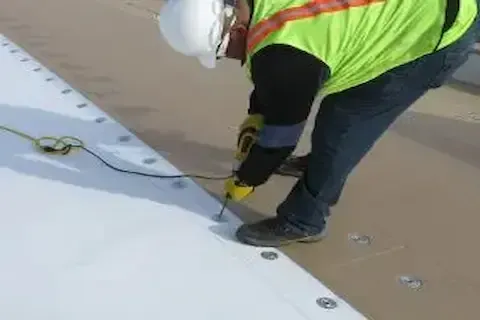
TPO installation begins with thorough substrate preparation, including proper insulation placement and vapor barrier installation when required. Mechanical attachment systems secure the membrane using specialized fasteners driven through predetermined patterns that distribute wind uplift forces across the roof deck structure.
Fully adhered installation methods use contact adhesives or bonding adhesives to secure the entire membrane surface to the substrate. This approach provides superior wind uplift resistance and eliminates the thermal bridging that can occur with mechanical fasteners. However, fully adhered systems require careful moisture management and proper substrate preparation to prevent adhesion failures.
Ballasted TPO systems utilize loose-laid membranes held in place with gravel, pavers, or other ballast materials. While less common for commercial applications, ballasted systems can provide cost-effective solutions for buildings with adequate structural capacity and minimal roof penetrations. The TPO Roofing Systems approach selected depends on building structure, local wind loads, and long-term maintenance considerations.
Proper flashing details around roof penetrations, equipment curbs, and parapet walls require specialized TPO accessories and careful installation techniques. These details often determine overall system performance and longevity, making professional installation expertise crucial for successful TPO roof projects.
Energy Efficiency and Reflective Performance Benefits
TPO's white reflective surface dramatically reduces cooling costs in commercial buildings by reflecting solar heat rather than absorbing it into the building structure. This cool roof technology can reduce roof surface temperatures by 50-60 degrees Fahrenheit compared to conventional dark roofing materials during peak summer conditions.
The reduced heat island effect benefits not only individual buildings but also contributes to lower ambient temperatures in Woodbury's developed commercial areas. This environmental benefit supports sustainability goals while providing measurable energy cost reductions that improve building operating efficiency.
ENERGY STAR qualified TPO membranes meet strict reflectance and emittance requirements that may qualify building owners for utility rebates, tax incentives, or LEED certification points. These financial incentives often offset initial installation costs while providing ongoing operational savings throughout the roof's service life.
Proper insulation design beneath TPO membranes maximizes energy performance by creating continuous thermal barriers that prevent heat transfer. The combination of reflective membrane surfaces and adequate insulation values creates highly efficient building envelope systems that reduce both heating and cooling costs year-round.
Durability Factors and Weather Resistance Properties
TPO membranes demonstrate excellent resistance to UV radiation, ozone exposure, and chemical degradation that can affect other single-ply roofing materials. The thermoplastic composition maintains flexibility and strength through multiple freeze-thaw cycles common in Minnesota's climate without becoming brittle or developing stress cracks.
Wind uplift resistance depends on proper attachment methods and edge securement details. Mechanically attached TPO systems can achieve wind uplift ratings exceeding 200 pounds per square foot when properly designed and installed according to manufacturer specifications and local building codes.
Hail resistance varies with membrane thickness and reinforcement type, but TPO generally performs well against moderate hail impact. The flexible membrane surface absorbs impact energy rather than cracking, while the reinforced scrim provides puncture resistance against sharp debris and foot traffic damage.
Ponding water resistance makes TPO suitable for flat commercial roofs where complete drainage may not always occur. The membrane's chemical composition resists degradation from standing water, though proper drainage design remains important for optimal performance and preventing unnecessary stress on roof structure components.
Commercial Application Considerations and Building Types
Office buildings in Woodbury's commercial districts benefit from TPO's quiet installation process and minimal disruption to daily operations. The heat-welded seam installation produces less noise than torch-applied systems while eliminating fire hazards associated with hot work permits and open flame installation methods.
Warehouse and distribution facilities require roofing systems that accommodate heavy equipment loads and frequent roof access for maintenance activities. TPO's puncture resistance and walkway compatibility make it suitable for these demanding applications when properly designed with adequate insulation and deck attachment systems.
Manufacturing facilities with chemical processing or industrial operations benefit from TPO's chemical resistance properties and ability to withstand exposure to industrial atmospheres. The membrane's clean white surface also provides good visibility for safety inspections and maintenance activities on large commercial roof areas.
Retail and commercial developments often specify TPO for its aesthetic appeal and long-term performance characteristics. The clean, uniform appearance complements modern architectural designs while providing reliable weatherproofing that protects valuable interior spaces and inventory from water damage.
Maintenance Requirements and Service Life Expectations
TPO roofing systems require minimal routine maintenance when properly installed and detailed. Periodic inspections should focus on seam integrity, flashing conditions around penetrations, and overall membrane condition including any signs of punctures, tears, or unusual wear patterns that might indicate underlying problems.
Cleaning procedures involve removing debris and organic growth using mild detergents and soft brushes. Harsh chemicals or abrasive cleaning methods can damage the membrane surface and reduce its reflective properties. Regular cleaning maintains both appearance and energy performance throughout the roof's service life.
Minor repairs can often be accomplished using heat-welded patches or specialized TPO repair materials that bond permanently to the existing membrane. Proper repair techniques require professional expertise to ensure watertight seals and maintain warranty coverage on the overall roof system.
Expected service life for quality TPO installations ranges from 20-30 years when properly maintained and installed according to manufacturer specifications. This longevity makes TPO a cost-effective choice for commercial property owners seeking predictable long-term roofing performance with minimal ongoing maintenance requirements.
Local Climate Factors and Regional Performance Data
Woodbury's continental climate presents specific challenges for commercial roofing systems, including temperature extremes ranging from subzero winter conditions to summer temperatures exceeding 90 degrees Fahrenheit. TPO membranes maintain flexibility across this entire temperature range without becoming brittle in cold weather or softening excessively in high heat.
Snow load considerations require proper structural design and drainage planning to prevent ice dam formation and ensure adequate roof deck support during heavy snow accumulation periods. TPO's smooth surface facilitates snow shedding when roof slopes permit, while its flexibility accommodates structural movement under varying load conditions.
The region's severe thunderstorm activity, including potential tornado conditions, demands roofing systems with superior wind uplift resistance and impact protection. Properly installed TPO systems have demonstrated excellent performance in severe weather events when designed to meet or exceed local wind load requirements specified in Minnesota's commercial building codes.
Local building officials in Woodbury are familiar with TPO installation requirements and inspection procedures, facilitating smooth permit processes and final approvals for commercial roofing projects. This regulatory familiarity reduces project delays and ensures compliance with all applicable codes and standards. Understanding flat roof decking prep requirements becomes essential for successful TPO installations that meet local standards.
Professional Installation and Warranty Considerations
TPO installation requires specialized training and certification to ensure proper seam welding, flashing details, and overall system integrity. Certified installers understand manufacturer requirements and maintain the equipment necessary for quality heat-welded seam construction that meets warranty specifications.
Material warranties typically cover membrane defects and premature degradation for periods ranging from 15-30 years depending on membrane thickness and manufacturer. Installation warranties provided by qualified contractors cover workmanship and system performance, creating comprehensive protection for commercial property owners investing in TPO roofing systems.
Quality control procedures during installation include seam testing, leak detection, and final inspection protocols that verify system integrity before project completion. These procedures ensure that completed installations meet both manufacturer specifications and local building code requirements for commercial roofing systems.
TPO roofing systems provide Woodbury commercial building owners with reliable, energy-efficient membrane roofing solutions backed by comprehensive warranties and proven long-term performance. The combination of reflective energy benefits, durable construction, and professional installation expertise makes TPO an excellent choice for protecting valuable commercial properties while reducing long-term operating costs through improved energy efficiency and minimal maintenance requirements.
