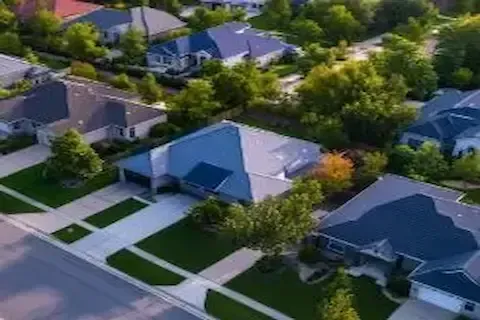
Woodbury HOA Roof Replacement Approval Workflow Steps
Homeowners associations in Woodbury require specific approval processes before roof replacement projects can begin. The workflow involves multiple stakeholders including board members, property managers, contractors, and local permitting authorities. Understanding these steps helps property owners navigate the approval process efficiently while maintaining compliance with both HOA covenants and Washington County building codes.
Initial Documentation and Assessment Requirements
The approval process begins when a homeowner submits a formal request to their HOA board or property management company. This initial submission must include current roof condition documentation, typically involving professional inspection reports that detail damage extent, age-related wear, and safety concerns. Property managers in Woodbury often require photographs showing specific problem areas, manufacturer warranties on existing materials, and estimated timelines for completion.
Board members review these submissions during regularly scheduled meetings, which typically occur monthly in most Woodbury planned communities. The review process examines whether the proposed replacement aligns with community architectural guidelines and covenant restrictions. Some associations maintain approved contractor lists or require homeowners to obtain multiple bids from licensed Minnesota roofing professionals before proceeding with board consideration.
Board Voting and Decision Timeline
Once documentation is complete, the HOA board schedules the roof replacement request for formal voting. Most Woodbury associations require majority approval from voting board members, though some communities specify unanimous consent for major exterior modifications. The voting process includes consideration of project impact on neighboring properties, adherence to community aesthetic standards, and compliance with existing architectural control committee guidelines.
Board decisions typically occur within 30 to 45 days of complete application submission, depending on meeting schedules and review complexity. Some associations expedite approvals for emergency situations involving structural damage or safety hazards. Property managers document all decisions in official meeting minutes and provide written notification to homeowners within one week of board voting outcomes.
Our team works directly with HOA and Planned Community Roofing boards throughout the approval process to ensure smooth project coordination and compliance verification.
Contractor Qualification and Bidding Process
Approved roof replacement projects require contractor vetting through the HOA's established procedures. Many Woodbury associations maintain pre-approved vendor lists featuring licensed contractors who demonstrate experience with planned community projects and understand local covenant requirements. Property managers verify contractor insurance coverage, Minnesota licensing status, and previous work quality within the community.
The bidding process typically requires homeowners to obtain at least three written estimates from qualified contractors. These bids must specify material types, color selections, timeline expectations, and warranty coverage. Board members review contractor qualifications alongside bid details to ensure selected professionals can complete work according to community standards and local building codes.
Some associations require contractors to attend board meetings or submit additional documentation proving familiarity with specific architectural guidelines. Property managers coordinate these meetings and maintain files documenting contractor approval status for future reference by homeowners and board members.
Washington County Permit Coordination
After HOA approval, roof replacement projects require building permits from Washington County before work can commence. The permit application process involves submitting detailed project plans, contractor information, and proof of insurance coverage to county building officials. Most contractors handle permit applications on behalf of homeowners, though some associations require direct homeowner involvement in the process.
Washington County typically processes roof replacement permits within 10 to 14 business days, depending on application completeness and current workload. Inspectors schedule initial visits to verify existing conditions and final inspections to confirm work completion according to approved plans. Property managers often coordinate with contractors to ensure inspection scheduling aligns with community access requirements and neighbor notification procedures.
Permit fees vary based on project scope and property valuation, with most residential roof replacements requiring fees between $200 and $500. Counties require permit posting in visible locations throughout the construction period, and contractors must maintain permits on-site for inspector access during scheduled visits.
Material Selection and Compliance Verification
HOA architectural guidelines typically specify acceptable roofing materials, colors, and installation methods for community properties. Most Woodbury associations limit material choices to maintain visual consistency throughout the development. Common approved materials include architectural shingles, metal roofing systems, and tile options that complement existing neighborhood aesthetics.
Property managers verify material selections against community standards before final project approval. Some associations require material samples or manufacturer specification sheets for board review. Contractors must source materials from approved suppliers and provide documentation proving compliance with both HOA requirements and manufacturer installation guidelines.
Project Timeline and Communication Protocols
Approved roof replacement projects follow structured timelines coordinated between homeowners, contractors, and property management companies. Most associations require advance notification to neighboring properties about construction schedules, material delivery dates, and potential temporary access restrictions. Property managers distribute these notifications and maintain communication logs throughout the project duration.
Construction timelines typically span 2 to 5 days for standard residential roof replacements, depending on weather conditions and project complexity. Contractors must coordinate with HOA representatives for site access, utility considerations, and compliance monitoring throughout the installation process. Many communities have expanded their oversight by implementing Woodbury HOA roofing programs that streamline vendor coordination and quality assurance.
Daily progress reports help property managers track project advancement and address any concerns from neighboring homeowners. Final inspections involve both county officials and HOA representatives to verify completed work meets all applicable standards and approval conditions.
Post-Completion Documentation and Warranty Management
Completed roof replacement projects require final documentation submission to both the HOA and Washington County for official record closure. Homeowners must provide warranty information, final inspection certificates, and contractor completion statements to property managers. These documents become part of the permanent property file and transfer to future owners during home sales.
Most contractors provide material and workmanship warranties ranging from 10 to 30 years, depending on product specifications and installation quality. Property managers maintain warranty documentation and coordinate future service calls when needed. HOA boards often require annual maintenance reports to ensure ongoing compliance with community standards and warranty requirements.
