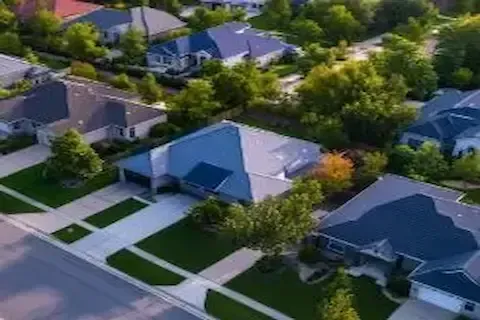
Woodbury HOA and Planned Community Roofing Programs
Homeowners associations and planned communities in Woodbury, Minnesota face unique challenges when managing roofing projects across multiple buildings. Unlike single-family home roofing decisions, HOA roofing programs require coordinated planning, board approval processes, and careful financial management to ensure successful outcomes for entire communities.
Understanding HOA Roofing Program Requirements
HOA roofing programs in Woodbury must address several key components that distinguish them from individual property roofing projects. These programs typically involve multiple buildings with varying roof conditions, shared financial responsibility through reserve funds, and complex decision-making processes that require board approval and community input.
The scope of an HOA roofing program depends on the community's size and structure. Smaller associations might manage 20-30 townhomes, while larger planned communities could oversee hundreds of units across multiple building types. Each scenario requires different approaches to project management, contractor selection, and timeline coordination.
Reserve fund planning plays a crucial role in HOA roofing programs. Minnesota law requires associations to maintain adequate reserves for major maintenance items, including roof replacements. Effective programs begin with comprehensive roof assessments to determine remaining useful life and projected replacement costs, allowing boards to plan financially for upcoming projects.
Board approval processes must balance community needs with financial constraints. This typically involves obtaining multiple contractor bids, reviewing warranty options, and considering the impact of assessments on homeowner finances. Successful programs establish clear criteria for contractor selection and maintain transparent communication with residents throughout the process.
Reserve Fund Planning and Financial Management
Reserve fund adequacy determines the success of HOA roofing programs in Woodbury. Associations must balance current operational needs with future capital expenditures, requiring careful financial planning and regular reserve studies to ensure sufficient funds are available when roofing projects become necessary.
Professional reserve studies typically recommend setting aside funds based on the current replacement cost of roofing systems divided by their expected useful life. For Woodbury's climate conditions, flat and low-slope membrane systems on association buildings generally last 20 to 30 years, while more premium materials may extend beyond 30 years with proper maintenance.
Special assessments become necessary when reserve funds prove insufficient for required roofing work. These assessments can create financial hardship for residents and potential conflicts within the community. Well-managed HOA roofing programs anticipate these needs early, allowing for gradual reserve fund building rather than sudden large assessments.
Some associations explore alternative financing options, including roofing loans or payment plans that spread costs over multiple years. These approaches can help communities manage cash flow while ensuring necessary roofing work proceeds on schedule. However, such arrangements require careful evaluation of interest costs and long-term financial impacts.
For comprehensive roofing solutions tailored to HOA requirements, consider working with specialists who understand the unique needs of planned communities. Professional HOA and Planned Community Roofing services can help associations navigate complex project requirements while maintaining cost control and quality standards.
Multi-Building Project Coordination
Coordinating roofing projects across multiple buildings requires sophisticated project management and clear communication protocols. Successful HOA roofing programs in Woodbury establish phases that minimize disruption while maintaining cost efficiency through economies of scale.
Phased replacement strategies allow associations to spread costs over multiple budget cycles while addressing the most critical roofing needs first. This approach requires detailed condition assessments to prioritize buildings based on roof age, condition, and potential for weather damage or leaks.
Contractor scheduling becomes complex when managing multiple buildings simultaneously. Weather delays, material delivery coordination, and workforce allocation must all be considered to maintain project timelines. Experienced contractors understand these challenges and build flexibility into their scheduling to accommodate the unique requirements of HOA projects.
Resident communication protocols help minimize complaints and ensure smooth project execution. This includes advance notice of construction schedules, parking restrictions, noise expectations, and temporary access limitations. Clear communication reduces conflicts and helps maintain positive relationships between the association and its residents.
Quality control measures become even more important in multi-building projects. Associations should establish inspection protocols and require progress reports to ensure consistent workmanship across all buildings. This helps prevent situations where early completed buildings receive superior attention while later phases suffer from rushed completion.
Board Approval and Decision-Making Processes
HOA boards in Woodbury must navigate complex decision-making processes when approving roofing programs. These decisions affect every resident financially and impact the long-term value of community properties, requiring careful consideration of multiple factors beyond simple cost comparisons.
Contractor selection criteria should be established before soliciting bids to ensure consistent evaluation standards. Key factors typically include licensing and insurance verification, local experience, references from similar HOA projects, warranty offerings, and financial stability of the contracting company.
Material selection decisions balance initial cost with long-term performance and aesthetic considerations. While premium materials may require higher upfront investment, their extended lifespan and enhanced weather resistance can provide better long-term value for the association and its residents.
Timeline approval requires balancing urgency of needed repairs with optimal scheduling for cost and convenience. Spring and fall often provide ideal weather conditions for roofing work in Woodbury, but these periods also represent peak demand for contractors, potentially affecting pricing and availability.
Documentation requirements ensure proper record-keeping for future reference and potential insurance claims. This includes maintaining copies of contractor agreements, warranty documentation, inspection reports, and financial records related to the roofing program.
Contractor Selection and Management
Selecting qualified contractors for HOA roofing programs requires thorough vetting processes that go beyond basic licensing and insurance requirements. Associations need contractors experienced in managing large-scale residential projects with the coordination skills necessary for multi-building work.
Local contractor experience in Woodbury provides advantages in understanding regional weather patterns, building codes, and permit requirements. Contractors familiar with Minnesota's climate conditions can recommend materials and installation techniques that provide optimal performance in local weather conditions.
Project management capabilities become crucial when coordinating work across multiple buildings. Successful contractors maintain detailed scheduling systems, provide regular progress updates, and demonstrate flexibility when weather or other factors require schedule adjustments.
Insurance and bonding requirements protect associations from potential liability during roofing projects. Contractors should carry adequate general liability insurance, workers' compensation coverage, and provide performance bonds for large projects to protect the association's financial interests.
References from previous HOA clients provide valuable insights into contractor performance and reliability. Associations should contact multiple references and, when possible, visit completed projects to evaluate workmanship quality and overall satisfaction with the contractor's services.
Maintenance and Warranty Management
Ongoing maintenance protocols help maximize the lifespan of new roofing systems while protecting warranty coverage. HOA roofing programs should include establishment of regular inspection schedules and maintenance procedures that can be implemented by association management or contracted service providers.
Warranty documentation and claim procedures require careful organization and management. Associations must maintain detailed records of warranty terms, contractor contact information, and procedures for reporting potential warranty issues. Clear protocols help ensure timely resolution of warranty claims when problems arise.
Preventive maintenance scheduling helps identify minor issues before they become major problems. This includes regular gutter cleaning, debris removal, and seasonal inspections that can extend roof life and prevent water damage to building interiors.
Vendor relationships established during roofing projects can provide ongoing value for maintenance and emergency repair services. Many contractors offer maintenance programs specifically designed for HOA clients, providing priority service and competitive pricing for future work.
For associations building a funding plan around those inspections, HOA reserve fund planning in Woodbury covers how boards translate roof condition findings into a defensible reserve schedule.
Legal and Compliance Considerations
HOA roofing programs must comply with various legal requirements, including Minnesota state laws governing associations, local building codes, and federal regulations. Understanding these requirements helps avoid costly delays and ensures projects proceed smoothly through all necessary approval processes.
Governing document review ensures roofing programs comply with association bylaws and architectural guidelines. Some communities have specific requirements for materials, colors, or approval processes that must be followed when implementing roofing projects.
Permit requirements vary depending on the scope of work and local regulations in Woodbury. While simple roof replacements may not require permits, projects involving structural modifications or changes to roof lines typically require proper permitting and inspection processes.
Contractor licensing verification protects associations from liability issues and ensures work meets professional standards. All contractors and subcontractors should maintain current licenses and demonstrate compliance with local business requirements.
Insurance coordination between association policies and contractor coverage helps prevent gaps in protection during roofing projects. Associations should review their insurance policies and coordinate with contractors to ensure adequate coverage throughout the project duration.
Long-Term Planning and Community Value
Successful HOA roofing programs contribute to long-term property values and community satisfaction. Well-planned and executed roofing projects enhance curb appeal, prevent water damage, and demonstrate effective association management to current and prospective residents.
Property value protection requires balancing cost considerations with quality outcomes. While budget constraints are important, choosing inferior materials or contractors to minimize short-term costs can result in higher long-term expenses and reduced property values throughout the community.
Community aesthetics benefit from coordinated roofing programs that maintain consistent appearance across multiple buildings. Color coordination, material selection, and timing of replacements all contribute to maintaining the visual appeal that attracted residents to the community initially.
Future planning considerations include anticipating technological advances in roofing materials and installation techniques. Associations that stay informed about industry developments can make better decisions about timing for roofing replacements and material selections.
Resident satisfaction depends on effective communication, minimal disruption, and quality results from roofing programs. Associations that prioritize these factors tend to maintain stronger community relationships and face fewer challenges when future projects become necessary.
