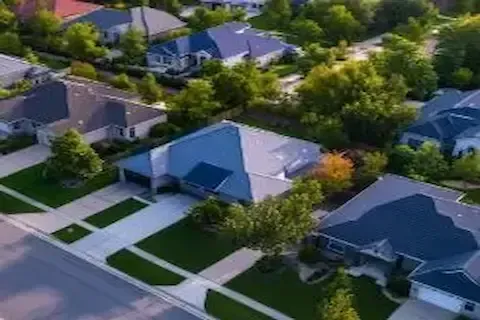
Reserve Fund Planning for Woodbury HOA Roof Projects
Effective reserve fund planning forms the foundation of successful HOA roof management across Woodbury's diverse planned communities. Your association's ability to maintain and replace roofing systems without special assessments depends on accurate lifecycle projections, strategic contribution schedules, and coordinated project sequencing that accounts for both individual unit needs and community-wide infrastructure demands.
Understanding Roof Lifecycle Economics in Woodbury Communities
Woodbury's climate presents specific challenges that directly impact reserve fund calculations for HOA roofing projects. The combination of harsh winter freeze-thaw cycles, summer heat stress, and periodic severe weather events typically reduces standard asphalt shingle lifecycles to 18-22 years compared to manufacturer warranties of 25-30 years. Your reserve study must account for these accelerated replacement timelines to avoid funding shortfalls.
Different roofing materials within your community require distinct replacement schedules. Townhome associations often manage a mix of architectural shingles, modified bitumen on garages, and metal accents, each with varying lifespans and costs. Condominium communities may include flat roof sections, sloped residential areas, and specialized waterproofing systems that demand separate reserve calculations.
Professional HOA and Planned Community Roofing assessments provide the detailed condition evaluations necessary for accurate reserve projections. These comprehensive inspections identify premature wear patterns, underlying structural concerns, and maintenance deferrals that could accelerate replacement timelines beyond standard estimates.
Calculating Accurate Contribution Requirements
Your HOA's monthly contribution strategy should balance current affordability with future replacement costs, incorporating inflation projections and construction cost escalation specific to the Twin Cities market. Woodbury communities typically experience construction cost increases of 3-5% annually, with roofing materials subject to additional volatility during supply chain disruptions.
The percent-funded method provides the most reliable framework for HOA reserve contributions. This approach calculates the current replacement cost for all roofing components, determines the remaining useful life for each system, and establishes monthly contribution rates that maintain adequate funding levels throughout each lifecycle period.
Consider implementing graduated contribution schedules that increase funding as roofing systems approach replacement thresholds. This strategy reduces the financial impact on homeowners during major replacement cycles while ensuring adequate reserves remain available for emergency repairs and unexpected accelerated replacement needs.
Project Sequencing Across Multiple Buildings
Large Woodbury HOA communities require strategic project sequencing that minimizes disruption while maximizing contractor efficiency and cost savings. Coordinated replacement schedules allow associations to negotiate better pricing through volume commitments and ensure consistent material specifications across similar building types.
Phased replacement programs work particularly well for townhome associations with multiple building clusters. Rather than replacing all roofing simultaneously, communities can schedule replacements in logical groupings that spread costs over 2-3 year periods while maintaining aesthetic consistency within neighborhood sections.
Weather window planning becomes critical for communities with extensive roofing portfolios. Woodbury's construction season typically runs from April through October, with optimal conditions for major projects occurring between May and September. Your sequencing plan should prioritize buildings with the most advanced deterioration for early season completion while scheduling newer systems for later periods.
Emergency Reserve Considerations
Beyond planned replacement cycles, your HOA must maintain emergency reserves for storm damage, unexpected failures, and critical repairs that cannot wait for scheduled replacement periods. Woodbury communities should allocate 15-20% of total roofing reserves for emergency situations, particularly given the area's exposure to severe thunderstorms and heavy snow loads.
Insurance deductibles represent another significant reserve consideration. Many HOA insurance policies include substantial deductibles for weather-related damage, requiring immediate cash availability for emergency repairs before insurance settlements arrive. Your reserve planning should account for these potential out-of-pocket expenses.
Establishing relationships with qualified emergency roofing contractors ensures rapid response capabilities during critical situations. Pre-negotiated emergency service agreements can provide priority scheduling and predetermined pricing that protects your reserves from inflated storm-response rates.
Vendor Selection and Cost Management
Your reserve fund planning must account for varying contractor pricing models and payment structures available in the Woodbury market. Design-build contractors may offer integrated pricing that includes both design services and construction, while traditional bid processes allow for competitive pricing but require separate engineering costs.
Long-term maintenance agreements can provide predictable annual costs that simplify reserve planning while ensuring consistent system care between replacement cycles. These programs typically include regular inspections, preventive maintenance, and priority emergency service that can extend roof lifecycles and reduce total ownership costs.
Material selection decisions significantly impact both initial replacement costs and future reserve requirements. Premium roofing systems with extended warranties may justify higher upfront investments through reduced replacement frequency and lower long-term reserve contributions.
Regulatory Compliance and Documentation
Minnesota statute requirements for HOA reserve funds include specific disclosure obligations and reserve study update schedules that affect your planning process. Communities must conduct reserve studies every three years and provide annual updates to homeowners regarding fund status and projected special assessment risks.
Comprehensive documentation of all roofing assets, including installation dates, warranty information, and maintenance records, supports accurate reserve calculations and provides essential information for future board decisions. Digital asset management systems can streamline this process while ensuring information accessibility for reserve study updates.
Financial reporting standards require clear segregation of reserve funds from operating accounts and detailed tracking of reserve expenditures against planned projects. Your accounting procedures should provide transparency regarding reserve fund performance and highlight any variances from projected contribution requirements.
Long-Term Strategic Planning
Successful reserve fund management extends beyond current replacement cycles to consider long-term community sustainability and potential infrastructure improvements. Woodbury HOA roofing programs often incorporate energy efficiency upgrades and enhanced weather protection features that require additional reserve planning but provide long-term value through reduced maintenance costs and improved building performance.
Climate change considerations may affect future replacement cycles and material selection requirements. Increasing severe weather frequency and intensity could accelerate replacement schedules while driving demand for more resilient roofing systems that require higher initial investments but provide superior long-term performance.
Regular reserve study updates ensure your planning remains aligned with actual community conditions, market costs, and regulatory requirements. Professional reserve consultants can provide objective assessments that balance financial sustainability with community needs while identifying optimization opportunities that improve long-term outcomes.
