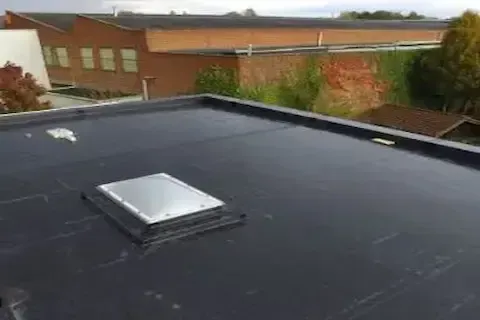
Fall EPDM Roof Inspections for Woodbury Office Parks
As summer fades and temperatures begin to drop across the Twin Cities metro, fall becomes the most strategic window for commercial property owners to assess the condition of their flat roofs. For office parks throughout Woodbury, EPDM membrane systems face a specific set of stressors that accumulate quietly over the warmer months — and left unaddressed, those stressors can escalate dramatically once Minnesota's freeze-thaw cycles begin in earnest. A focused inspection in September or October gives you the information you need to act before snow loads, ice damming, and sub-zero temps turn a manageable repair into a costly emergency replacement.
What Summer Does to EPDM Membranes
EPDM — ethylene propylene diene monomer — is one of the most widely used roofing membranes on commercial flat roofs in the Midwest, and for good reason. It handles temperature extremes reasonably well, resists UV degradation better than many alternatives, and carries a long service life when properly maintained. But "better than alternatives" does not mean immune to summer damage.
From June through August, EPDM membranes on Woodbury office parks are exposed to sustained UV radiation, surface temperatures that regularly exceed 150°F on dark membranes, and thermal expansion and contraction cycles that repeat daily. Over time, this causes the membrane to lose plasticizers, becoming stiffer and more prone to micro-cracking. Seams and termination points — where the membrane meets edge metal, penetrations, or adjoining materials — are under the most stress. By the time fall arrives, those areas may show early separation that isn't yet leaking but will become a leak pathway the moment water sits on the roof under a snow load.
High-Priority Areas for Fall Inspection
A thorough fall inspection of an EPDM roof on a Woodbury commercial property isn't a casual visual sweep from ground level. It requires a trained eye on the membrane surface, focusing on several specific vulnerability zones.
- Seam integrity: Lap seams and T-joints should be checked for edge lifting, bubbling, or separation. These are the most common entry points for water infiltration.
- Penetration flashings: HVAC curbs, pipe penetrations, drain rings, and skylights all require flexible flashing details. Fall is the time to confirm that lap sealant hasn't cracked or pulled away from vertical surfaces.
- Edge metal and termination bars: Metal fascia and coping pieces expand and contract at a different rate than the EPDM membrane. Summer heat cycles can work fasteners loose and open gaps at termination bar edges.
- Drain assemblies: Flat roofs with interior or perimeter drains accumulate organic debris — leaves, seed pods, grit — over summer. Partially blocked drains back up water during fall rains, and standing water accelerates membrane deterioration significantly.
- Low spots and ponding areas: If deflection in the deck has created low points, those areas will pond water and pond ice. Identifying them in fall gives you time to address drainage before the first hard freeze.
For larger office park complexes in Woodbury — particularly the multi-building campuses along Radio Drive and Valley Creek Road — coordinating a single comprehensive inspection across all structures is far more cost-effective than addressing buildings individually after problems have already emerged.
Why Fall Timing Matters More Than Spring
Many commercial property managers in Woodbury default to spring inspections, reasoning that winter is the most damaging season. That logic is understandable but backwards. A spring inspection tells you what winter damaged. A fall inspection gives you the opportunity to prevent the damage from happening in the first place.
Minnesota winters are unforgiving to roofing systems that have unresolved vulnerabilities. A seam that is 80 percent bonded going into November will fail under the movement caused by freeze-thaw cycling. A drain that is 50 percent obstructed in October will be completely blocked under ice and debris by February. A small lap sealant gap that admits moisture in a fall rain will hold that moisture in the membrane assembly, where it freezes, expands, and creates delamination that multiplies the original damage many times over.
Acting in fall means your repairs — whether a seam re-adhesion, a flashing replacement, or a drain cleaning — are completed under workable conditions. Roofing adhesives, lap sealants, and membrane patches all require minimum temperature thresholds to cure properly. Once consistent overnight freezes arrive in the Woodbury area, your installation window for reliable repairs narrows sharply.
Common Oversights That Lead to Winter Failures
Even property managers who schedule annual inspections sometimes miss the issues that matter most. A few patterns appear repeatedly on Woodbury commercial roofs:
Assuming no interior staining means no problem. EPDM roofs can hold moisture within the insulation board layer for months before it migrates through to the interior ceiling. By the time staining appears on office drop ceilings, the insulation is already compromised and the membrane above it has been failing for some time.
Overlooking HVAC service damage. Summer is peak season for HVAC technicians accessing rooftop units. Foot traffic from service visits frequently damages membrane surfaces and flashings, yet most HVAC service contracts don't include roofing inspection or documentation. After a summer of equipment servicing, your EPDM membrane may have foot traffic scuffs, displaced gravel on ballasted systems, or disturbed flashing details that need correction.
Skipping the drain interior check. Clearing debris from the drain grate is not the same as inspecting the drain assembly. The clamping ring, the drain bowl, and the membrane termination at the drain all require examination for cracking and separation.
Planning Repairs Before the Season Closes
If your fall inspection turns up issues — and on most EPDM roofs that are more than five years old, it will — the repair timeline matters. Roofing contractors serving Woodbury and the broader east metro are busiest in September and October as property managers across the region act on the same seasonal logic. Scheduling your inspection early in fall gives you first access to repair slots before the calendar fills.
For property managers evaluating their options, understanding the full range of EPDM Roofing Systems available — including mechanically attached, fully adhered, and ballasted configurations — helps clarify whether a repair or a targeted re-roofing section makes the most economic sense for your specific conditions.
If you're still in the early stages of evaluating what system you have and what its long-term prospects look like, reviewing Woodbury EPDM roofing options provides helpful context on system types, expected service life, and what conditions typically indicate a roof is approaching the end of its repair-viable period versus needing full replacement.
Local Conditions That Shape EPDM Performance
Woodbury sits in Washington County, where the climate brings genuine four-season extremes. Summer humidity combined with intense solar exposure stresses membrane seams differently than a drier climate would. Fall arrives quickly, often delivering hard freezes within weeks of late-summer heat. Office parks in the eastern Woodbury corridor — closer to the St. Croix watershed — can see heavy leaf accumulation from mature tree coverage, which accelerates drain clogging compared to newer commercial developments in more open terrain.
These are not abstract concerns. They directly influence how aggressively your EPDM roof should be inspected and how promptly identified issues should be addressed. Fall is not a convenient time to schedule maintenance. It is the necessary time — and for Woodbury office park owners and managers, treating it with that urgency protects both the building asset and the tenants and operations it houses.
