How Long Does EPDM Roofing Last in Woodbury Minnesota
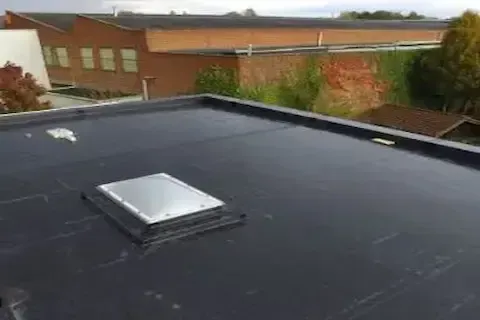
EPDM roofing in Woodbury, Minnesota typically lasts between 20 and 40 years. The wide range depends on installation quality, membrane thickness, drainage design, and how consistently the roof receives professional maintenance. In Minnesota's climate, where freeze-thaw cycles, heavy snow loads, and summer UV exposure all stress roofing membranes, EPDM performs reliably when properly installed. Thicker membranes in the 60 to 90 mil range outperform thinner options and resist punctures and seam failures more effectively. Routine inspections and prompt repairs to flashing or seams can extend the upper boundary of that lifespan significantly.
How Does Minnesota's Climate Affect EPDM Roof Lifespan?
Woodbury experiences some of the most demanding roofing conditions in the country. Winter temperatures regularly drop below zero, and the repeated freeze-thaw cycles from November through March place mechanical stress on every roofing membrane. EPDM handles this better than many alternatives because the rubber material remains flexible in cold temperatures rather than becoming brittle. However, ponding water that refreezes on a flat or low-slope roof can accelerate seam stress over time. Buildings in Woodbury and the surrounding Washington County area need drainage systems designed specifically for snowmelt volumes, not just summer rainfall. Poor drainage is the single most common reason an otherwise sound EPDM roof fails before its expected lifespan.
What Membrane Thickness Should You Choose for Longevity?
EPDM membranes are manufactured in 45 mil, 60 mil, and 90 mil thicknesses. For commercial properties in Woodbury, 60 mil is generally considered the baseline for a roof expected to reach the 25-year mark. Facilities with rooftop equipment, regular foot traffic for HVAC maintenance, or large unobstructed membrane fields exposed to wind uplift should strongly consider 90 mil. The thicker membrane costs more upfront but resists punctures from debris, foot traffic, and hail more effectively. On a cost-per-year basis, investing in a thicker membrane almost always produces better economics than replacing a thinner roof a decade early.
Does Installation Method Change How Long EPDM Lasts?
Yes, significantly. EPDM can be installed using three primary methods: fully adhered, mechanically fastened, or ballasted. Fully adhered systems bond the membrane directly to the insulation board and offer the best resistance to wind uplift and membrane movement, making them well-suited to Woodbury's winter wind events. Mechanically fastened systems are faster to install but create stress points at fastener locations over time. Ballasted systems use river stone or pavers to hold the membrane in place and remain viable on buildings with verified structural capacity, though the added dead load makes them a narrower fit for new Minnesota commercial construction than adhered or mechanically fastened assemblies. If longevity is the priority, fully adhered installation from a qualified contractor delivers the most consistent results. EPDM Roofing Systems installed with full adhesion and properly lapped seams give Woodbury building owners the most durable foundation for a long-term roof.
What Maintenance Practices Extend EPDM Roof Life?
Maintenance is the most controllable variable in EPDM roof lifespan. Without it, a well-installed roof can still fail early. With it, a properly installed system can realistically reach 35 to 40 years. Key practices for Woodbury commercial properties include:
Twice-yearly inspections in spring and fall to identify seam separation, flashing failures, or membrane punctures before water infiltrates
Drain and scupper clearing before winter to prevent ice damming and ponding during snowmelt
Prompt seam repairs using compatible EPDM tape or lap sealant when minor separations are detected
Rooftop equipment checks to ensure HVAC curbs, pipe penetrations, and conduit runs remain properly flashed and sealed
Post-storm assessments following significant hail events or high-wind storms common to the Twin Cities metro area
Property managers in Woodbury who schedule these inspections consistently tend to report far fewer emergency repair calls and significantly lower lifetime roofing costs.
When Does an EPDM Roof Need Replacement Rather Than Repair?
Even with excellent maintenance, EPDM membranes reach a point where repairs no longer make economic sense. Signs that replacement is approaching include widespread seam failures across multiple roof sections, membrane shrinkage that pulls flashing away from parapet walls, and surface crazing or chalking that indicates UV degradation has compromised the membrane's integrity throughout. In Woodbury's commercial districts along Radio Drive and near the Bailey Road corridor, building owners sometimes discover that an aging EPDM system has been patched repeatedly without addressing underlying insulation damage from long-term moisture infiltration. At that stage, a full tear-off and replacement typically costs less over the next decade than continued repair cycles. Reviewing Woodbury EPDM roofing options can help you understand the full range of system configurations available for replacement projects.
Are There Warranty Options That Protect the Full Lifespan?
Most major EPDM manufacturers offer material warranties ranging from 15 to 30 years when installed by certified contractors. Some manufacturers extend coverage to 30 years or longer for systems using their specified insulation, adhesives, and seam tapes. In Washington County, working with a roofing contractor who holds manufacturer certification matters both for warranty validity and for ensuring the installation follows the specifications required to achieve the rated lifespan. A material warranty alone does not cover workmanship defects, so a separate contractor labor warranty is worth requesting for any new EPDM installation in the Woodbury area.
