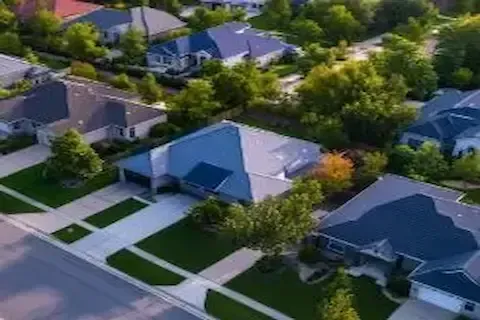
Coordinating Woodbury HOA Roof Replacements Across Buildings
Managing roof replacements across multiple HOA buildings requires careful coordination to minimize disruption while maintaining project efficiency. Successful multi-building projects depend on strategic scheduling, resource allocation, and clear communication with residents throughout the process.
Project Sequencing and Timeline Management
Effective sequencing starts with building assessment and priority ranking. Buildings with the most severe roof damage or safety concerns receive priority scheduling, while structures in better condition can wait for later phases. This approach prevents emergency repairs during the project and ensures resident safety remains the top priority.
Weather windows play a crucial role in timeline development. Spring and early fall provide the most reliable conditions for roofing work in Woodbury, with fewer weather delays and optimal temperature ranges for material installation. Building multiple weather contingency days into each phase prevents schedule compression that could compromise workmanship quality.
Crew availability and equipment logistics determine realistic timelines for each building phase. Coordinating multiple crews across buildings requires balancing productivity with quality control, ensuring adequate supervision and material delivery schedules that support continuous progress without overwhelming the community.
Traffic and Parking Management
Parking displacement presents one of the most visible challenges for residents during multi-building roof projects. Successful coordination requires identifying alternative parking areas within the community and establishing clear communication about which buildings lose parking access during each project phase.
Construction vehicle routing minimizes disruption to daily traffic patterns while ensuring efficient material delivery and debris removal. Establishing dedicated routes for construction traffic, separate from resident pathways when possible, reduces safety concerns and maintains community accessibility throughout the project.
Delivery scheduling coordination prevents bottlenecks when multiple crews need materials simultaneously. Staggered delivery times and designated staging areas for each building phase ensure materials arrive when needed without creating traffic congestion or blocking emergency vehicle access.
Resident Communication Protocols
Regular project updates keep residents informed about upcoming phases affecting their specific buildings. Weekly progress reports, including photos and timeline updates, help residents plan around anticipated disruptions and understand project advancement across the community.
Emergency contact procedures ensure residents can reach project managers during construction hours for urgent concerns. Clear escalation paths for noise complaints, access issues, or safety concerns maintain positive community relations while keeping projects on schedule.
Material Staging and Logistics
Strategic material placement reduces handling time while protecting landscaping and community amenities. Establishing staging areas near each building cluster minimizes material transport distances and reduces the risk of damage to community property during material movement.
Just-in-time delivery scheduling prevents material pile-up that could block pathways or create safety hazards. Coordinating deliveries with installation schedules ensures materials arrive when crews are ready to use them, reducing storage requirements and potential weather damage to materials.
Quality control checkpoints at each building phase prevent defective materials from advancing through the project. Implementing inspection protocols before materials leave staging areas ensures consistency across all buildings and prevents delays caused by material defects discovered during installation.
Crew Coordination and Supervision
Centralized project management maintains consistency in workmanship standards across all buildings while providing single-point accountability for project outcomes. Having one experienced project manager oversee all phases ensures uniform quality and prevents communication gaps between different crew teams.
Daily crew briefings coordinate activities between buildings and prevent resource conflicts. Morning meetings that review daily objectives, safety concerns, and resource allocation keep all teams aligned and prevent work stoppages caused by coordination failures.
Weather Contingency Planning
Weather delay protocols protect both work quality and community relationships during unavoidable project extensions. Pre-established communication plans for weather delays help residents understand when delays are necessary and how revised schedules will affect their specific buildings.
Protective measures during weather events prevent water damage to exposed buildings during multi-day delays. Having adequate tarping and temporary protection systems ready before weather events protects resident property and prevents costly damage repairs that could derail project budgets.
For communities in the HOA and Planned Community Roofing market, understanding these coordination challenges helps HOAs set realistic expectations and budgets for their roofing projects. Professional project management becomes essential when coordinating work across multiple buildings simultaneously.
Cost Management Across Multiple Buildings
Bulk material purchasing provides significant cost advantages when coordinating multiple building replacements simultaneously. Ordering materials for the entire project at once often yields better pricing than individual building purchases, though adequate storage and protection become more critical.
Shared equipment costs reduce per-building expenses when crews can move equipment efficiently between nearby buildings. Crane rentals, material lifts, and specialized tools become more cost-effective when their usage spreads across multiple buildings within a condensed timeframe.
Labor efficiency improvements emerge when crews work continuously across multiple buildings rather than demobilizing between projects. Maintaining crew productivity through continuous work reduces hourly labor costs and improves overall project economics for the HOA.
Quality Assurance Protocols
Standardized inspection procedures ensure consistent quality across all buildings regardless of which crew completes the work. Having the same inspector review work at each building phase prevents quality variations that could affect warranty coverage or long-term performance.
Documentation requirements track progress and quality metrics for each building separately while maintaining overall project oversight. Detailed photo documentation and inspection reports for each building provide accountability and support warranty claims if issues arise later.
Community Relations Management
Proactive noise management reduces complaints and maintains positive relationships throughout the project duration. Establishing quiet hours, limiting certain activities during early morning or evening periods, and providing advance notice of particularly noisy work phases helps residents prepare for temporary inconveniences.
Many Woodbury planned communities benefit from detailed coordination strategies that consider the unique traffic patterns and resident needs specific to Minnesota's seasonal challenges. Woodbury HOA roofing programs often incorporate these coordination elements to ensure successful project outcomes that satisfy both boards and residents.
Project completion celebrations and community updates help restore positive relationships after construction disruptions end. Providing final project reports with photos of completed work and warranty information helps residents appreciate the long-term benefits of the coordinated replacement effort.
