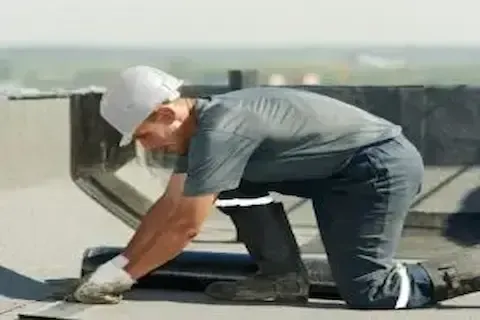
Commercial Roof Maintenance Programs in Woodbury MN
Flat roofs and low-slope commercial membranes in Woodbury demand a different level of attention than residential shingles. When ponding water has nowhere to drain, when thermal cycling causes seams to shift, and when rooftop HVAC equipment creates foot-traffic wear patterns, the costs of doing nothing accumulate quietly until a ceiling tile gives way or a tenant calls with a complaint. A structured maintenance program trades those unpredictable emergency expenses for a predictable, documented schedule that protects your asset, satisfies your insurer, and keeps your warranty enforceable.
What a Commercial Roof Maintenance Program Actually Includes
Many building owners assume a maintenance plan is just a twice-yearly inspection with a photo report attached. In practice, a well-designed program for Woodbury commercial properties covers considerably more ground. The core deliverables typically fall into four categories: scheduled inspections, preventive repairs, drainage maintenance, and documentation management.
Scheduled inspections happen at minimum twice per year — once in spring after the freeze-thaw season has done its work, and once in fall before temperatures drop and ponded water becomes ice. For buildings with rooftop mechanical equipment or heavy foot traffic from HVAC technicians, quarterly visits are often warranted. Each inspection follows a standardized checklist covering membrane condition, flashing integrity, seam adhesion, penetration seals around pipes and curbs, and the condition of edge metal and counterflashing.
Preventive repairs are what separate a maintenance program from a simple inspection contract. When a technician identifies a blister forming in a TPO membrane or a lap seam pulling apart at a low corner, the program authorizes minor repairs on the spot — within a defined scope — rather than issuing a separate quote and scheduling a second visit. That immediate response is often the difference between a two-hour repair and a two-day replacement.
Drainage maintenance includes clearing interior drains, scuppers, and gutters of debris, removing any vegetation that has colonized the membrane, and checking that primary and overflow drains are both functioning. In Woodbury's wooded residential and commercial corridors, cottonwood fluff, oak leaves, and storm debris load drainage systems quickly. A blocked drain during a July downpour can deposit several thousand gallons of standing water on a membrane in an afternoon.
Documentation management is the administrative backbone of the program. Most major roofing manufacturers — GAF, Carlisle, Firestone, Duro-Last — require documented maintenance to keep extended warranties valid. Your program provider should maintain a file of inspection reports, repair records, and sign-off sheets that can be produced if a warranty claim is filed or if the building changes hands during a sale due-diligence review.
Common Roof Types on Woodbury Commercial Properties
Woodbury's commercial landscape spans multiple building vintages and construction types, which means maintenance programs need to be flexible across membrane types. Office parks along the I-494 and Hudson Road corridors tend to feature TPO and EPDM roofs installed over the last two decades. Older light-industrial buildings in the Bailey Road and Radio Drive areas may still have modified bitumen or built-up roofing. Retail strip centers often present a mix depending on when individual bays were reroofed.
TPO membranes are heat-welded at seams and are generally low-maintenance, but they are not immune to problems. UV degradation, improper weld technique during original installation, and thermal movement at drains and penetrations are the most common failure points. A maintenance program for TPO buildings should include seam probing and infrared or electronic leak detection where moisture intrusion is suspected.
EPDM is a fully adhered or mechanically fastened rubber membrane that has excellent longevity when properly maintained, but its seams rely on adhesive tape or liquid adhesives that can peel over time. Shrinkage is also a known issue, which places stress on perimeter flashings and inside corners. Spring inspections on EPDM roofs should specifically check termination bar conditions and any areas where the membrane terminates against vertical walls or parapet caps.
Modified bitumen roofs — either torch-applied or cold-process — require attention to surfacing granule loss, alligatoring in older cap sheets, and flashing integrity at drains and perimeter edges. These roofs are common on buildings constructed in the 1980s and 1990s and may be approaching the end of their expected service life, making regular documentation especially important for capital planning purposes.
How Minnesota's Climate Shapes the Maintenance Calendar
A maintenance program calibrated for a Phoenix warehouse is not the same program that works for a Woodbury office building. Minnesota's climate creates specific stress cycles that dictate when inspections must happen and what technicians are looking for at each visit.
The freeze-thaw cycle is the primary driver of membrane fatigue. Water that infiltrates a small seam crack in October expands when it freezes, widening the crack. By the time the snow melts in March, what was a hairline opening can be a visible gap. The spring inspection is therefore the highest-value visit in the maintenance calendar — it reveals the cumulative damage from a full winter and identifies everything that needs to be addressed before the rainy season arrives.
Summer in the Twin Cities delivers intense UV exposure and frequent severe convective storms. Hail is a legitimate concern for any flat-roof property in Washington County, and a post-storm inspection protocol should be part of your program. Hail damage on TPO or EPDM can appear as small punctures or bruising that is not visible from ground level, which is one reason that drone roof inspection methods have become a standard tool for post-storm assessment — they allow comprehensive coverage of large roof areas without risking additional membrane damage from foot traffic.
Fall brings the debris loading problem. Leaves, cottonwood, and airborne material from surrounding landscaping accumulate quickly, particularly around drains and at low points. The fall visit should always include a full drain clearing and a review of how water moves across the entire roof plane under simulated load conditions.
Selecting a Maintenance Program Structure That Fits Your Building
Not every commercial property in Woodbury has the same needs, and a credible roofing contractor will not pitch a one-size-fits-all contract. When evaluating program options, consider how the scope is defined and what the cost structure looks like.
Time-and-material programs bill for each visit and any associated repairs at standard rates. They offer flexibility but make annual budgeting difficult. Flat-fee annual programs charge a fixed amount for a defined number of inspections and a specified scope of minor repairs. These are easier to budget but require you to understand exactly what is and is not included. Enhanced programs may bundle in emergency response guarantees, extended repair scopes, warranty administration services, and annual condition reports with projected capital expenditure timelines.
For multi-tenant commercial buildings, office parks, or property management portfolios with several Woodbury addresses, portfolio pricing often makes economic sense. Managing three or four roofs under a single program allows for more efficient scheduling and often comes with volume pricing on both the service contract and any materials used in preventive repairs.
Ask any program provider how they handle repairs that fall outside the contracted minor-repair scope. A clear escalation path — with pre-agreed pricing tiers or a defined approval process — prevents the awkward situation where a technician discovers a larger problem during a routine visit and cannot act without starting a separate negotiation.
Warranty Compliance and Documentation Requirements
If your commercial roof carries a manufacturer's warranty — especially a 20- or 30-year NDL (no-dollar-limit) warranty — you almost certainly have a maintenance obligation written into the warranty terms. Failing to meet that obligation can void coverage on an asset worth tens or hundreds of thousands of dollars.
Most manufacturer warranties require annual inspections performed by a certified contractor and documentation submitted on a prescribed form. Some require inspections to be logged directly into the manufacturer's warranty management portal. If you are unsure whether your current roof carries an active warranty and what its maintenance requirements are, a reputable contractor can pull the warranty file from the manufacturer and audit your compliance status.
For properties that changed ownership without proper warranty transfer, there may still be options to reinstate coverage — but this typically requires a documented inspection, possible repairs to bring the roof to an acceptable condition, and a formal application to the manufacturer. The sooner this process is started, the more likely it is to succeed before any existing coverage lapses entirely.
Practical Considerations for Property Managers and Owners
If you manage commercial properties in Woodbury for owners or investors, a maintenance program creates a paper trail that has value beyond the roof itself. During a refinance, lenders who review the property may request documentation that the building envelope is being actively maintained. During a sale, buyers and their inspectors will look at roof age and maintenance history as part of their due-diligence process. A complete file of inspection reports and repair records substantially reduces the negotiating leverage that a deferred-maintenance finding would otherwise create.
For tenant-occupied buildings, proactive maintenance also reduces the risk of lease disputes triggered by water intrusion or interior damage. A documented maintenance program demonstrates that the landlord is meeting their obligations under most commercial lease structures, which simplifies conversations if a minor leak does occur.
The starting point for most building owners is a single baseline inspection that establishes the current condition of the roof, identifies any existing issues, and produces a written assessment that can anchor a multi-year maintenance schedule. Commercial Roof Maintenance Programs structured around that baseline give you a clear picture of where the roof is today, what it needs in the near term, and how to extend its useful life as far as the membrane and substrate allow.
Building a Long-Term Roofing Strategy for Woodbury Commercial Properties
A maintenance program is not a substitute for eventual replacement, but it is the tool that tells you when replacement is approaching and maximizes the value you extract from the roof you have. A well-maintained TPO or EPDM membrane in a Minnesota climate can achieve 20 to 25 years of service life with consistent care. Without maintenance, the same membrane may fail at 12 to 15 years — not because the material was inferior, but because small problems compounded into large ones over several winters.
For building owners and property managers in Woodbury, the practical question is not whether to maintain the roof but how to structure a program that fits the building type, the warranty requirements, and the management workload. Starting with a qualified inspection, establishing a documented baseline, and committing to a defined annual schedule is a straightforward path to protecting one of the most critical and expensive components of any commercial building.
