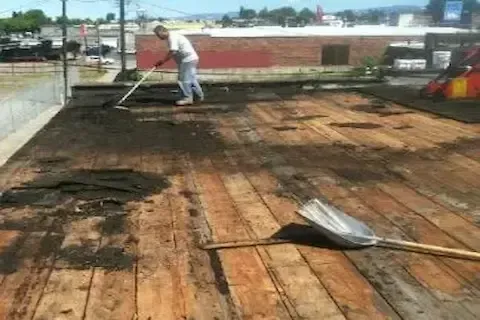
Commercial Flat Roof Installation in Woodbury Minnesota
Commercial flat roof installation in Woodbury, Minnesota requires careful planning and execution to handle the region's demanding weather conditions. With temperature swings from sub-zero winters to hot, humid summers, your commercial building needs a roofing system designed for Minnesota's climate extremes. Professional installation ensures your investment protects your business operations while meeting Washington County building codes and local requirements.
Understanding Commercial Flat Roofing Systems
Modern commercial flat roofing offers several proven membrane options, each with distinct advantages for Woodbury's climate. TPO (Thermoplastic Olefin) membranes provide excellent energy efficiency with their white reflective surface, reducing cooling costs during Minnesota's warm summers. These single-ply systems resist UV damage and maintain flexibility through temperature changes.
EPDM (Ethylene Propylene Diene Monomer) rubber roofing delivers exceptional durability and weather resistance. This black membrane performs well in cold climates, maintaining elasticity even during Woodbury's harsh winter conditions. EPDM systems typically last 20-30 years with proper maintenance and installation.
Modified bitumen systems combine the reliability of traditional built-up roofing with modern polymer technology. These multi-layer systems provide excellent waterproofing and can withstand heavy foot traffic. The torch-applied or cold-adhesive installation methods work well in various weather conditions throughout the construction season.
Built-up roofing (BUR) remains a cost-effective choice for many commercial properties. Multiple layers of asphalt-saturated felt create a redundant waterproofing system. While installation requires favorable weather conditions, BUR systems offer proven longevity and can be easily repaired when damage occurs.
Pre-Installation Assessment and Planning
Successful commercial flat roof installation begins with thorough structural evaluation. Your existing roof deck must support the new system's weight, especially important when upgrading from lighter materials to heavier systems. Engineers assess load capacity, examining joists, beams, and supporting structures for any necessary reinforcements.
Drainage evaluation ensures proper water management across your roof surface. Minnesota's snow loads and spring melting create significant water volume that must flow efficiently to drains and scuppers. Inadequate drainage leads to ponding water, membrane deterioration, and potential structural damage over time.
Insulation planning affects both energy efficiency and system performance. Proper insulation placement prevents thermal bridging while maintaining the roof deck above dew point temperatures. This prevents condensation issues that can damage both the roofing system and building interior.
Washington County building permits require detailed plans showing membrane specifications, insulation values, and drainage calculations. Professional contractors handle permit applications, ensuring compliance with local building codes and fire safety requirements specific to commercial properties in Woodbury.
Installation Process and Timeline
Commercial flat roof installation typically begins with complete tear-off of existing materials, allowing inspection of the underlying deck structure. Contractors examine wood or concrete substrates for damage, replacing deteriorated sections before proceeding. This phase reveals hidden issues that could compromise the new system's performance.
Deck preparation includes cleaning all debris and ensuring smooth, dry surfaces for optimal membrane adhesion. Any protruding nails, uneven joints, or surface irregularities receive attention during this critical phase. Proper substrate preparation directly impacts the longevity of your new roofing investment.
Insulation installation follows manufacturer specifications for your chosen system type. Rigid foam boards or polyiso panels are mechanically fastened or adhered according to local wind uplift requirements. Commercial Flat Roof Installation professionals ensure proper insulation alignment and vapor barrier placement to prevent moisture infiltration.
Membrane installation varies by system type but requires precise attention to seam integrity and termination details. TPO and EPDM systems use heat welding or adhesive bonding to create watertight seams. Modified bitumen requires torch application or cold adhesive methods depending on specific product requirements and weather conditions.
Flashing installation around penetrations, parapet walls, and roof edges demands expert craftsmanship. These transition areas experience the most stress from thermal movement and weather exposure. Professional installers use compatible materials and proven techniques to ensure long-term waterproof integrity at these critical junctions.
Quality Control and Testing Procedures
Professional installation includes comprehensive quality control measures throughout the process. Seam testing verifies membrane bond integrity using destructive and non-destructive methods. These tests identify potential weak points before they become costly leaks affecting your business operations.
Water testing validates the completed system's waterproof performance. Controlled flooding of roof sections reveals any installation defects that require immediate attention. This testing phase occurs before final acceptance, ensuring your new roof performs as designed from day one.
Documentation packages include warranty information, maintenance guidelines, and as-built drawings showing membrane specifications and drainage patterns. This information proves valuable for future repairs, insurance claims, and building sale transactions requiring roof condition verification.
Final inspections involve both contractor quality assurance and municipal building department approval. Washington County inspectors verify compliance with approved plans and local building codes. This official approval activates warranty coverage and confirms your installation meets all regulatory requirements.
Seasonal Installation Considerations
Minnesota's climate creates specific timing considerations for commercial flat roof installation. Spring and fall offer ideal conditions with moderate temperatures and lower precipitation. These seasons allow proper curing of adhesives and sealants while avoiding extreme weather that can compromise installation quality.
Summer installations require careful scheduling around afternoon thunderstorms common in the Twin Cities area. High temperatures can affect membrane handling and adhesive working time, requiring adjustments to installation procedures. Early morning starts help avoid peak heat and sudden weather changes.
Winter installations present challenges but remain possible with proper precautions. Cold temperatures require heated workspace for adhesive applications and membrane conditioning. Snow removal and ice management add complexity and cost to winter projects, making other seasons preferable when scheduling flexibility exists.
Weather monitoring becomes critical during active installation phases. Professional contractors maintain detailed forecasts and have contingency plans for sudden weather changes. Protective covering and temporary weatherproofing prevent damage to partially completed work during unexpected precipitation.
Cost Factors and Budget Planning
Commercial flat roof installation costs vary significantly based on system selection, building complexity, and existing conditions. Simple rectangular buildings with minimal penetrations cost less per square foot than complex structures with multiple levels, equipment, and architectural features requiring custom flashing details.
Material selection impacts both initial investment and long-term value. Premium membrane systems with extended warranties cost more upfront but may provide better value over the roof's service life. Energy-efficient systems can qualify for utility rebates and tax incentives that offset higher initial costs.
Structural modifications add substantial cost when existing deck conditions require reinforcement or replacement. Detailed pre-installation surveys help identify these requirements early in the planning process, preventing budget surprises during construction.
Permit fees, inspection costs, and disposal charges for old materials represent additional budget considerations beyond basic material and labor costs. Professional contractors provide comprehensive estimates including all project-related expenses for accurate budget planning.
Maintenance and Warranty Considerations
New commercial flat roof systems require proactive maintenance programs to achieve their design life expectancy. Regular inspections identify minor issues before they develop into major problems requiring expensive repairs. Professional maintenance contracts ensure consistent care by trained technicians familiar with your specific system type.
Manufacturer warranties typically require professional installation by certified contractors using approved materials and methods. Warranty terms vary by system type and manufacturer, with some offering 15-20 year material coverage when installation meets specified requirements.
Contractor workmanship warranties protect against installation defects separate from material coverage. Reputable roofing companies stand behind their work with comprehensive warranties covering labor and installation-related issues for specified periods after completion.
Documentation requirements for warranty claims include installation photos, material certifications, and maintenance records. Proper record-keeping ensures warranty coverage remains valid throughout the protection period, providing peace of mind for your roofing investment.
Professional Installation Benefits
Working with experienced commercial roofing contractors in Woodbury ensures your project meets local building requirements and industry best practices. Professional installers understand Washington County permit processes and maintain relationships with local inspectors, streamlining approval procedures for faster project completion.
Certified contractors have access to premium materials and manufacturer training programs that ensure proper installation techniques. This expertise translates into better system performance and longer service life for your commercial roofing investment.
Professional installation includes comprehensive insurance coverage protecting your property during construction. Licensed contractors carry liability insurance and workers' compensation coverage, transferring risk away from property owners during the installation process. Coordinating HOA roof projects requires similar attention to insurance and liability considerations when multiple property owners are involved.
Established local contractors provide ongoing service relationships beyond initial installation. Having a reliable partner for maintenance, repairs, and future roofing needs adds value to your initial investment in professional installation services.
